Professional Cosmetics Peptide Supplier | GENOPEP



Cosmetic Applications & Efficacy
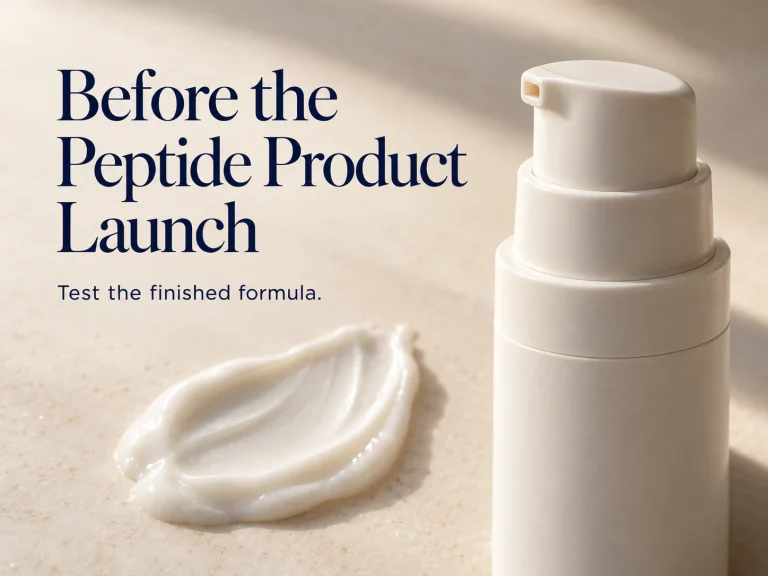
Peptide Formulation Testing Before a Skincare Product Launch
Peptide formulation testing should evaluate the finished product in its intended process, package and use context. Review formula suitability, physical and chemical stability, microbial protection, safety and the evidence for each proposed…
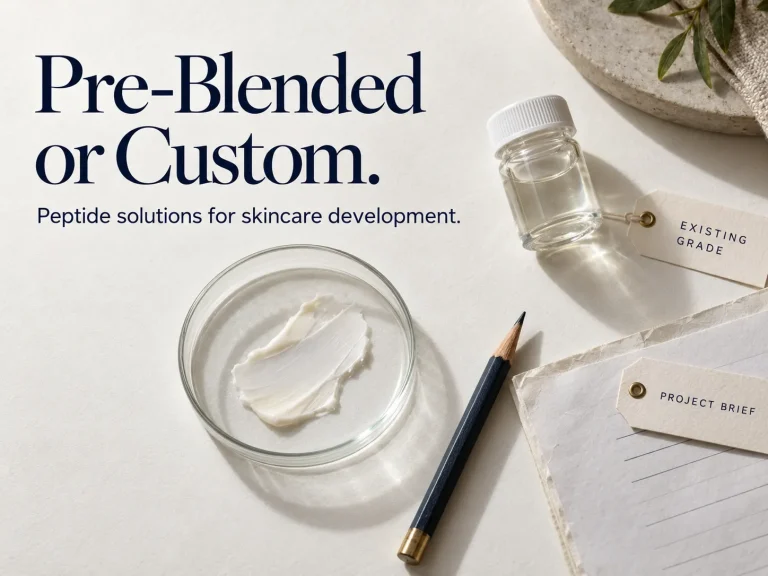
Pre-Blended vs Custom Peptide Solutions When Customization Makes Sense
Custom peptide solutions make sense when a defined requirement cannot be met by an existing grade and the project can fund the additional development, testing and supply commitments. Start by evaluating a…
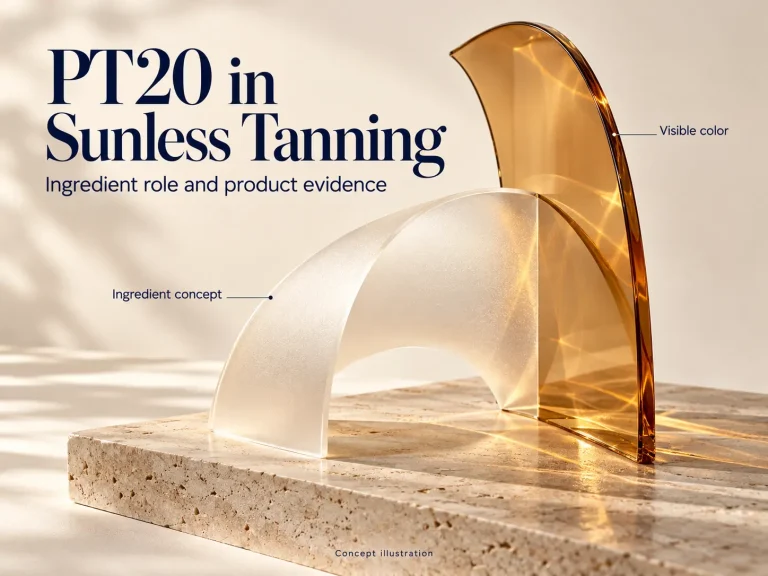
Palmitoyl Tetrapeptide-20 for Peptide Self Tanner Development
The role of PT20 in sunless tanning Palmitoyl Tetrapeptide-20 is a cosmetic peptide discussed in pigmentation research and proposed for peptide self-tanner concepts. For skin-tanning development, its role must be established for…
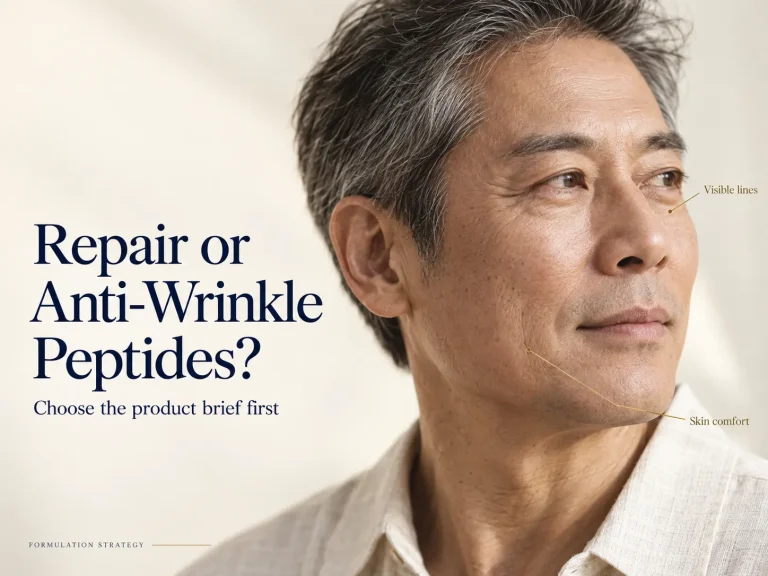
Choosing Repair or Anti-Wrinkle Peptide Solutions
The useful comparison in repair vs anti-wrinkle peptides starts with the finished product’s main goal. A repair-focused brief may prioritize dryness, comfort or a defined barrier-related outcome; an anti-wrinkle brief prioritizes visible…
Peptide Powders vs Pre-Blended Peptide Solutions: A Formulator’s Guide
Peptide powders offer more control over carrier choice and, when sourced individually, peptide ratios. Pre-blended peptide solutions can reduce in-house weighing and premixing, but introduce a defined carrier and composition. Neither format…

How to Choose a Multi-Peptide Solution for Skincare Development
Choose a multi-peptide solution for skincare by matching its composition and supporting evidence to a defined product brief. Compare peptide content, carrier ingredients, processing requirements, finished-formula compatibility, and supply documentation. Shortlist candidates…