Professional Cosmetics Peptide Supplier | GENOPEP



News
Pentapeptide-18 and Expression Lines: Synaptic Vesicle Fusion as Cosmetic Science Context
Introduction to Neuro-Cosmetics and Expression Lines The professional skincare conversation has moved beyond basic epidermal hydration and barrier repair. A more advanced discussion now includes neuro-cosmetics: the study of how skin appearance…
Alpha-MSH Biomimetic Peptides for Peptide Self Tanner Development
Structure and Function of Alpha-Melanocyte-Stimulating Hormone Alpha-Melanocyte-Stimulating Hormone (Alpha-MSH) is a highly conserved tridecapeptide belonging to the melanocortin family. Structurally, it is derived from the proteolytic cleavage of a much larger precursor…

MC1-R Pathway Context for Peptide Self Tanner Claims
Why the Mechanism Needs Reframing MC1-R pathway science is relevant to peptide self-tanner development, but it should not be written as a direct finished-product command over skin biology. The original draft used…
Palmitoyl Tetrapeptide-20 for Peptide Self Tanner Development
Why This Ingredient Needs a Claim Reset Palmitoyl Tetrapeptide-20 is attractive for sunless-color products because it gives peptide self-tanners a more technical story than DHA alone. The risk is that this story…

The 14-Day Melanin Timeline: What Gradual Tanner Brands Should Promise
The 24-Hour Expectation Meets Skin Biology The self-tanning category is built around a simple consumer wish: visible warmth without sun exposure. That expectation creates pressure for fast results, especially when a formula…
Alpha-MSH and Skin Tone: From Melanocortin Biology to Responsible Product Concepts
Alpha-MSH Is Important Biology, Not a Ready-Made Product Claim Alpha-Melanocyte-Stimulating Hormone, usually shortened to Alpha-MSH, is a 13-amino-acid peptide derived from the larger precursor protein pro-opiomelanocortin (POMC). In skin biology, it is…
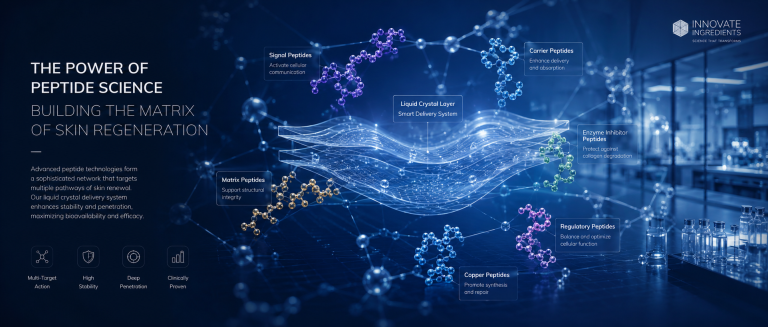
From Single Peptides to System Design: New Directions in Anti-Aging Innovation in 2026
Delivery technologies, stability design and synergistic mechanisms of peptides are emerging as new priorities for innovation. Why Innovation in Peptide-Based Skincare Is Evolving Over the past decade, peptides have become one of…
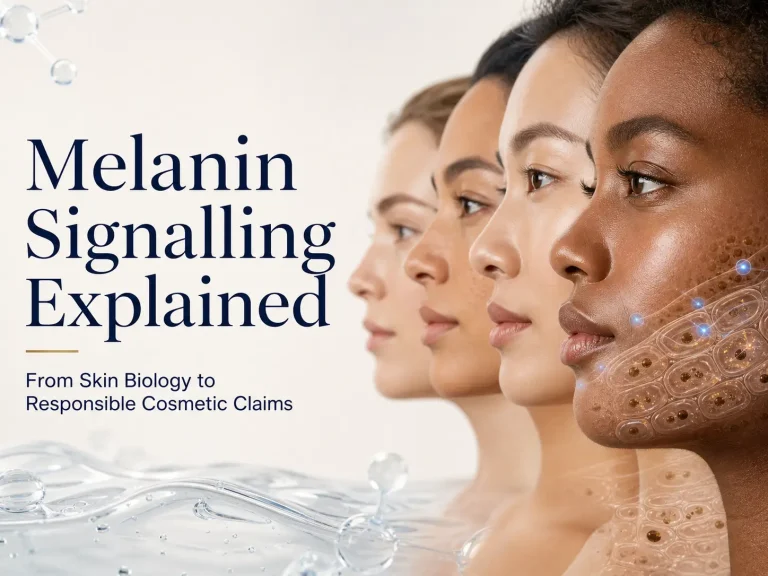
The Physiology of Melanin: How Pigment Signalling Shapes Skin Tone and Product Innovation
Why Pigmentation Science Is Becoming a Product Conversation Consumers are interested in several different outcomes that are often grouped under pigmentation: a more even-looking tone, greater radiance, a sun-kissed appearance, or a…
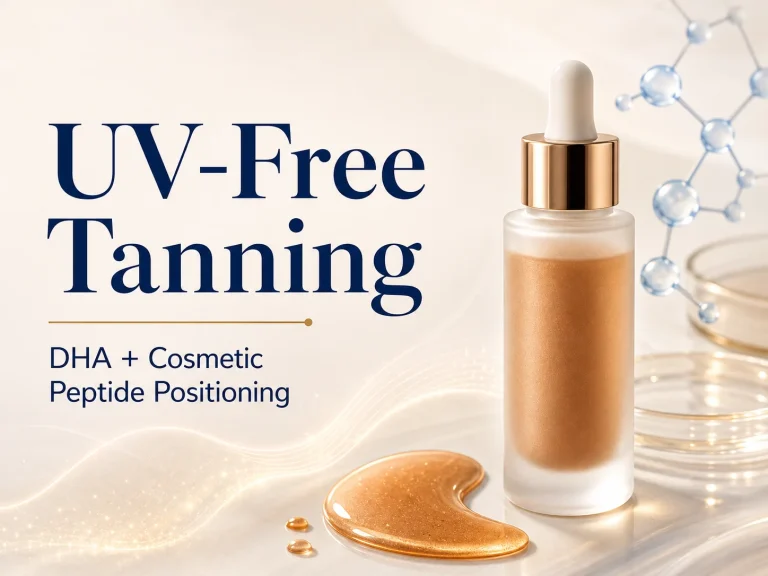
UV-Free Tanning: How DHA and Cosmetic Peptide Concepts Can Support Safer Glow Positioning
The Sun-Kissed Glow and Its UV Exposure Problem For decades, the golden bronze aesthetic has been associated with vitality, luxury, and an outdoor lifestyle across global markets. This cultural interest in a…
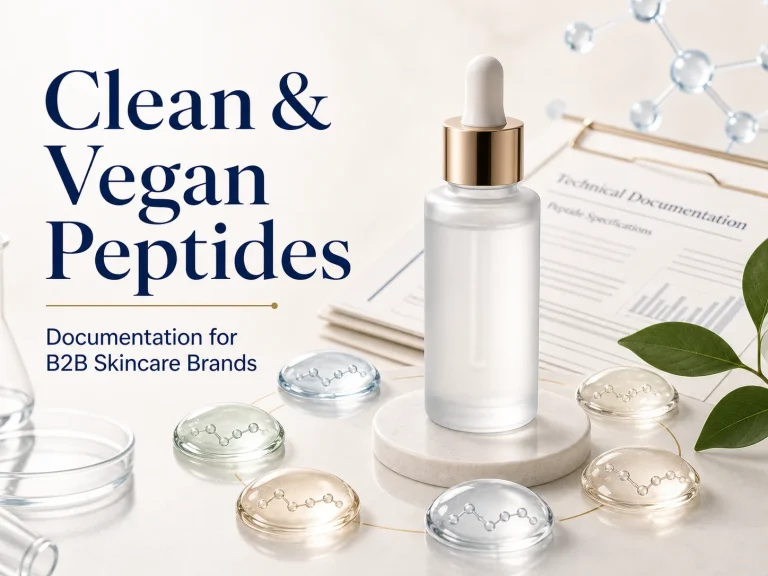
Vegan & Clean Beauty: 6-Peptide Matrix Documentation for Conscious Beauty Brands
The Shift Toward Ethical Skincare: Why Clean and Vegan Documentation Matters In the global beauty landscape of 2026, the definitions of clean and vegan have moved from niche marketing language into important…
Neuro-Cosmetics 2026: Why Feeling Is the New Seeing in Anti-Aging
For years, anti-aging skincare was mainly judged by what consumers could see: fewer visible lines, smoother texture, brighter tone, and firmer-looking skin. These results still matter. But in 2026, a new layer…
Why “Blue Peptide” Serums Are Having a Moment in 2026
Blue peptide serums are having a moment because they solve a very modern skincare problem: how to make a technical formula visible in one second. A clear or white serum can be…